
As global demand for water treatment continues to grow, industries and agriculture are no longer satisfied with filtration systems that simply “work.” Today, buyers are looking for solutions that are more stable, cost-effective, and adaptable.
From industrial process water to agricultural irrigation, customers across regions now prioritize:
This shift has made disc filter modular design a key competitive advantage in export-oriented water treatment equipment. It offers a modern, scalable approach that meets the evolving needs of global projects.
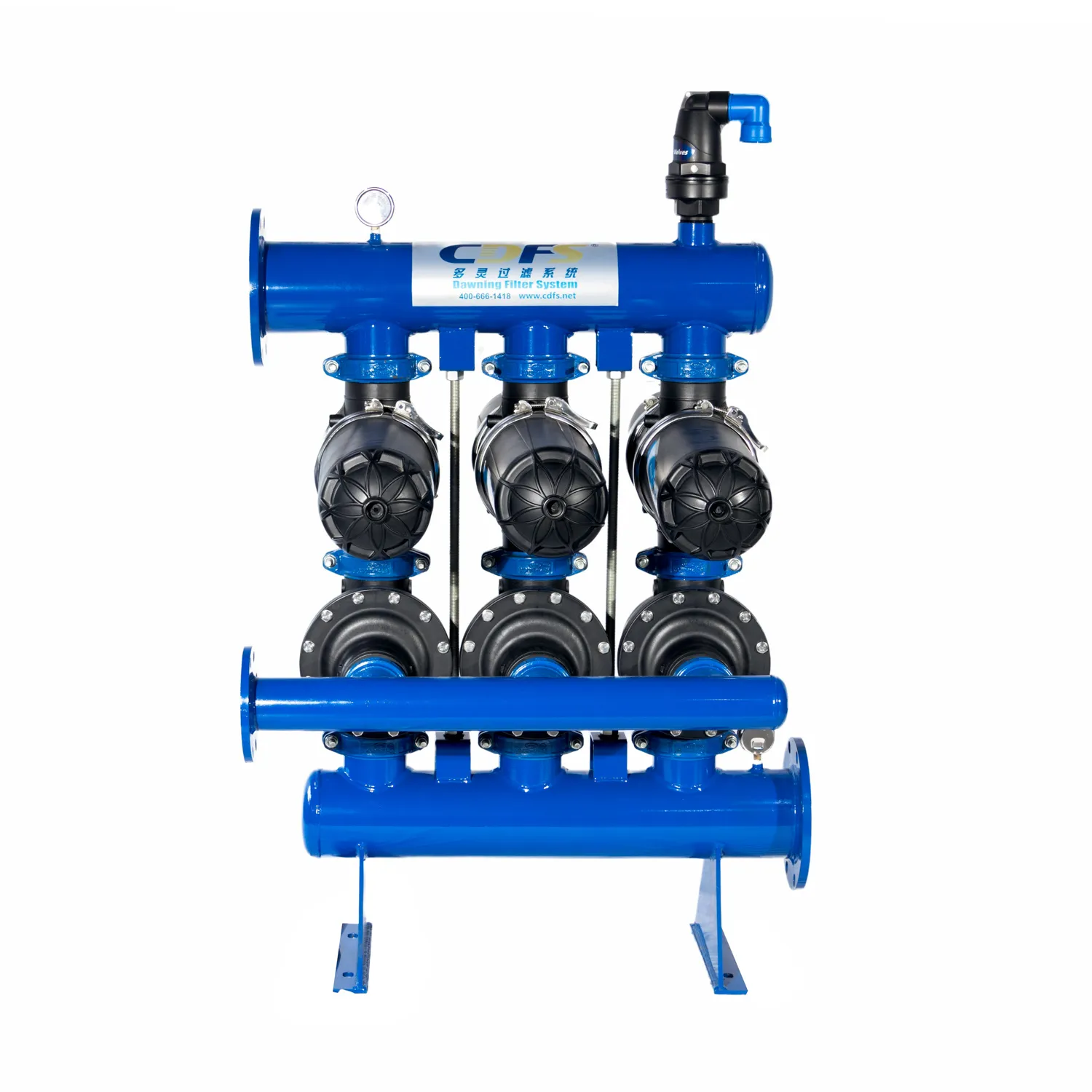
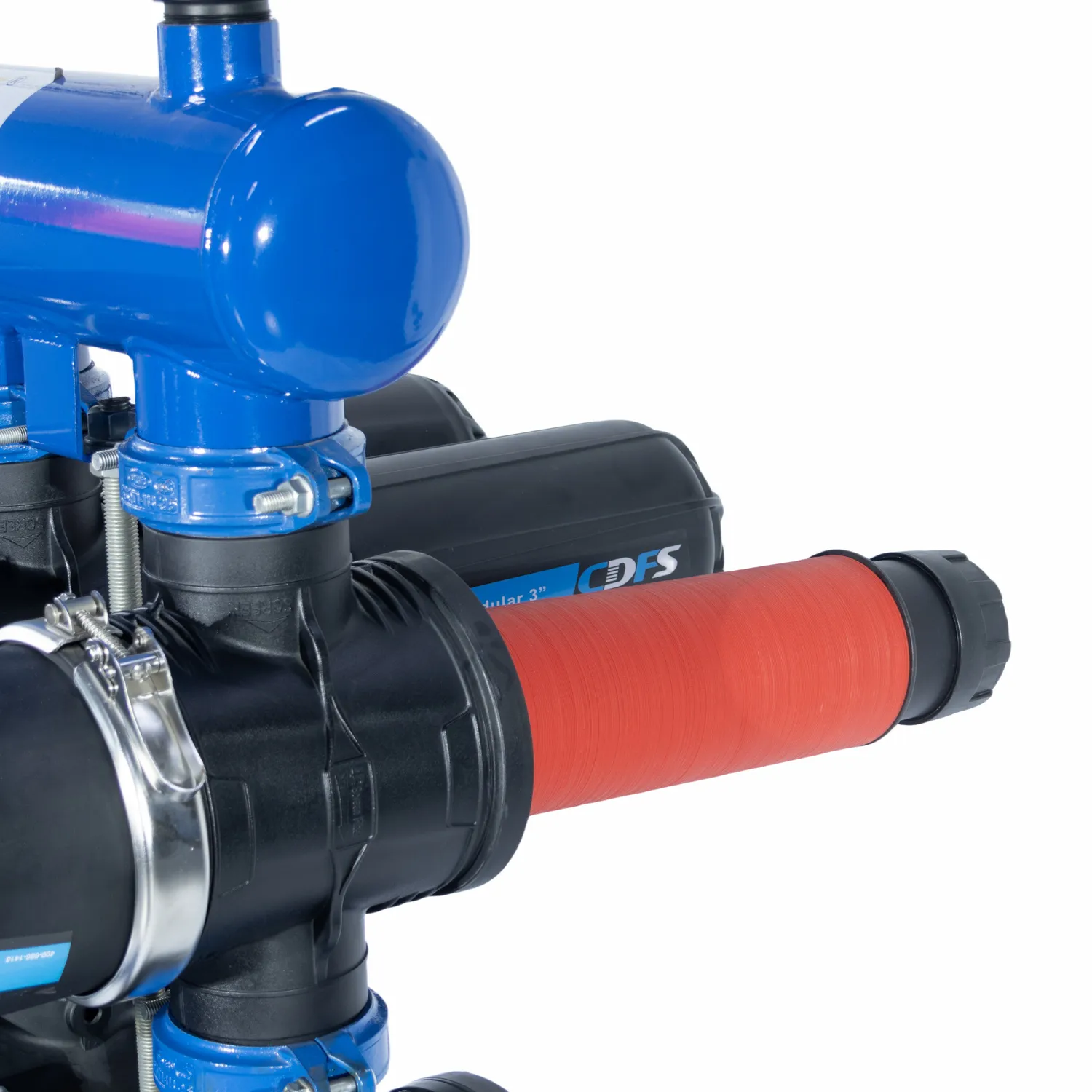
Disc filtration works by compressing multiple grooved discs together, forming tiny filtration channels. These channels effectively trap suspended solids, organic matter, and fine particles.
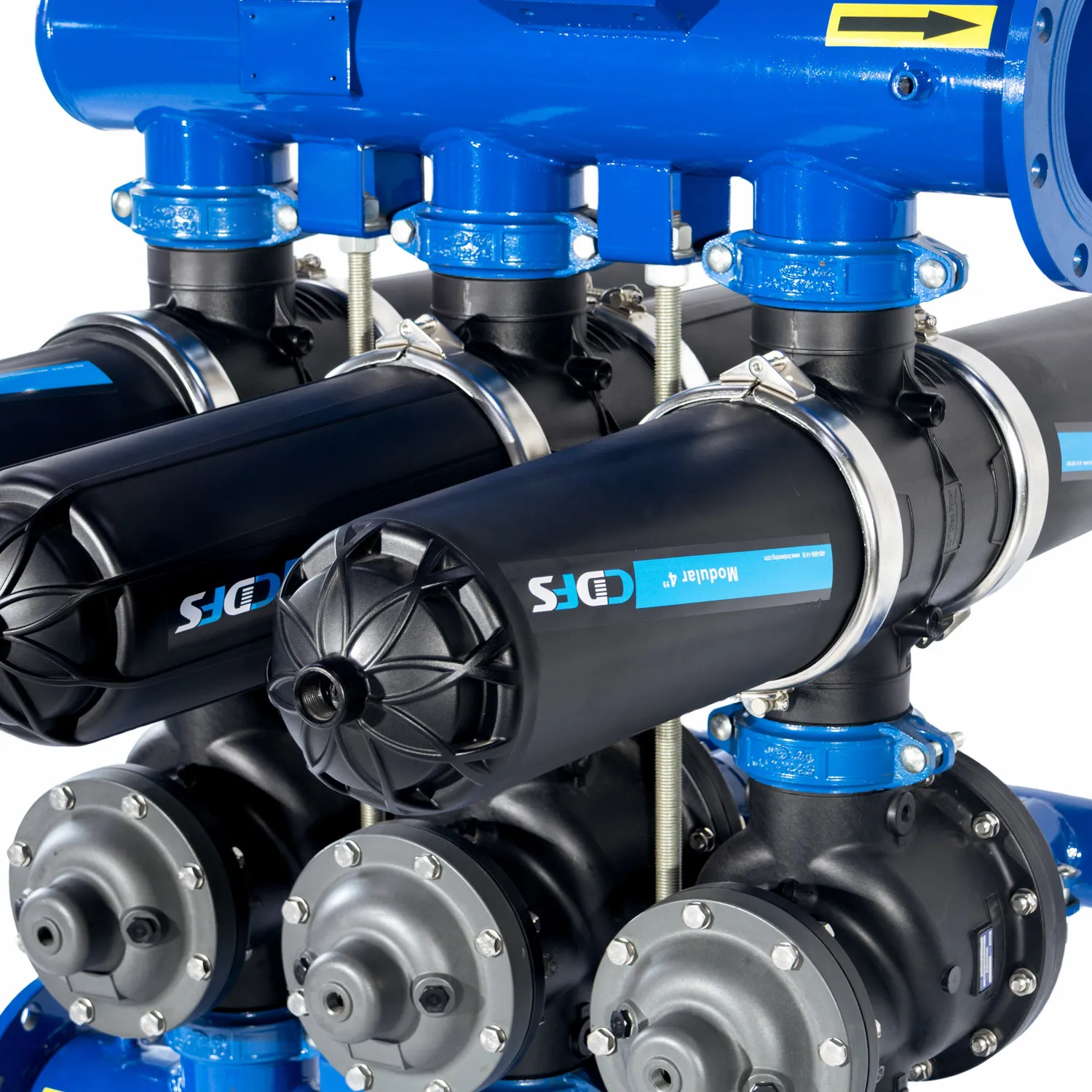
A modular design takes this concept further by dividing the system into standardized units:
These modules can be combined and expanded based on flow rate, water quality, and application needs.
For international buyers, this means:
Learn more about modular systems here: automatic disc filter solutions
Water sources vary significantly across regions:
Applications also differ:
A modular system allows customization for each project instead of forcing a one-size-fits-all solution.
Large, integrated systems can be difficult and costly to ship. Modular disc filters solve this problem by:
On-site assembly is straightforward, reducing communication barriers and installation time for overseas projects.
Many projects start small but grow over time. Modular systems allow:
This flexibility protects long-term investment and improves purchasing confidence for buyers.
With modular design:
This is especially critical for:
Exporters can recommend configurations based on:
This improves solution accuracy and reduces operational issues.
Standardized modules enable:
This is highly attractive to EPC contractors and distributors.
Standardized components such as discs, valves, and controllers:
Explore product specifications: industrial automatic disc filter system
Modular systems:
They are ideal for:
Removes suspended particles and prevents clogging in heat exchangers and spray nozzles.
Acts as a front-end filter for:
This stabilizes water quality and protects downstream systems.
Industries like mining, steel, and chemical processing benefit from:
Prevents emitter clogging and ensures uniform water distribution, improving crop yield.
Works seamlessly with fertilizer injection systems, ensuring clean and efficient delivery.
Modular systems can be configured by irrigation zones and easily expanded as farms grow.
Systems can be tailored by adjusting module quantity and filtration grade.
Options include:
When selecting a supplier, consider:
These factors ensure long-term reliability and partnership success.
Each project has unique requirements. Early communication helps:
Suppliers can quickly provide:
Start with basic information: Water source + flow rate + application
That’s all it takes to receive a tailored proposal.
Disc filter modular design is rapidly becoming the preferred solution in global water filtration systems. Its key advantages include:
For both industrial and agricultural users, it delivers long-term value and reliable performance.
If you're planning a project, now is the time to explore modular filtration solutions and gain a competitive edge.
1. What is a disc filter modular design?
It is a filtration system made of standardized units that can be combined and expanded based on project needs.
2. Can the system be customized?
Yes, flow rate, filtration precision, and materials can all be tailored.
3. Is installation complicated?
No, modular systems are designed for easy transport and on-site assembly.
4. How does it reduce maintenance costs?
Individual modules can be serviced without shutting down the entire system.
5. Is it suitable for harsh environments?
Yes, systems can be built with corrosion-resistant and durable materials.



 EN
EN
 FR
FR
 NL
NL
 RU
RU
 AR
AR
 VI
VI
 LO
LO
 RO
RO
 TH
TH
 MY
MY
 MS
MS
 PT
PT
 ES
ES
 KO
KO
 BE
BE
 JA
JA
 FIL
FIL
 KA
KA
 DE
DE
 IT
IT

