Selecting the correct filtration equipment is a critical step in the design of agricultural irrigation and industrial water systems. When the filtration capacity does not match system requirements, operational issues can quickly arise.
Many irrigation and industrial systems encounter similar challenges:
In many situations, these issues are not caused by equipment defects. Instead, they stem from incorrect filter sizing or poor filtration design.
Historically, many filtration systems were selected using simplified or experience-based approaches, such as:
These simplified methods can lead to several operational problems:
As modern irrigation and industrial systems become more complex, accurate filter sizing tools are increasingly necessary.
A Screen Filter Selection Calculator helps engineers determine the most suitable automatic screen filter configuration by analyzing system conditions.
To obtain accurate results, several core parameters must be entered.
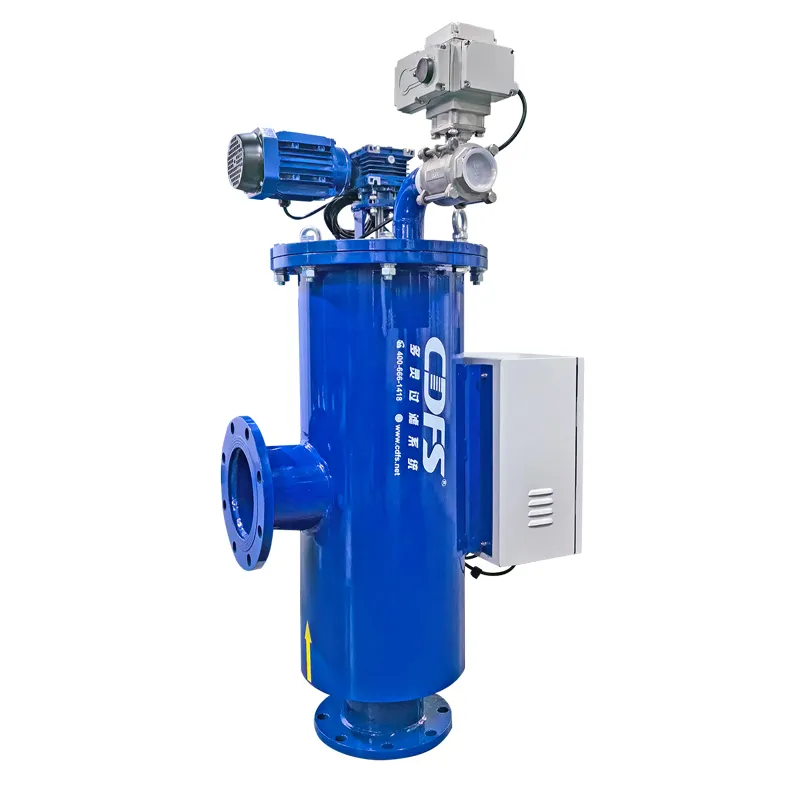
Flow rate is one of the most important inputs in the calculation process.
Typical units include:
The flow rate determines:
Large irrigation or industrial facilities often require multiple automatic screen filters working together to meet system demand.
Different applications require different filtration accuracy levels.
Common filtration ranges include:
For example, drip irrigation systems typically require filtration around 120–130 microns to protect emitters from clogging.
The calculator evaluates this parameter to determine the correct screen mesh size.
Filtration systems must operate within a stable pressure range.
Typical working pressure values for automatic screen filters include:
0.2 MPa – 1.0 MPa
The calculator uses this data to evaluate:
Maintaining proper pressure prevents filtration inefficiency and reduces excessive cleaning cycles.
Water quality is another critical factor.
The concentration of suspended solids (TSS) affects:
Water sources with higher particulate levels include:
The calculator adjusts system recommendations based on contamination levels.
Once key system data is entered, the calculator can generate several useful outputs to support system design.
Based on system parameters, the calculator determines:
Engineers can then match the calculated result with equipment available in the automatic screen filter product catalog.
For example, system designers can explore suitable models in the automatic screen filter product range.
This approach significantly reduces the risk of incorrect equipment selection.
Filtration surface area directly influences system performance.
A properly sized filter must provide sufficient area to:
The calculator usually outputs:
This information helps engineers determine whether a single filter or multiple filters should be installed.
Automatic screen filters rely on backwash cycles to remove captured particles.
The calculator can estimate:
These calculations are particularly important for large-scale irrigation projects and industrial water systems where downtime must be minimized.
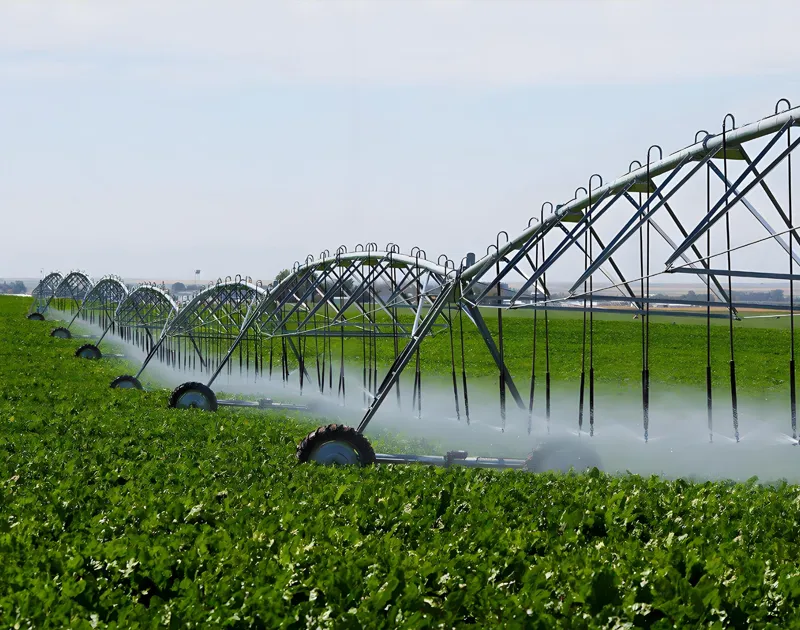
Drip irrigation systems require reliable filtration because emitters have very small flow passages.
Key filtration considerations include:
An automatic screen filter system ensures long-term protection of irrigation equipment.
Industries such as steel manufacturing, power plants, and chemical processing rely on filtration to protect equipment.
Filtration objectives include:
Engineers often install automatic screen filtration units at the system inlet to prevent downstream blockages.
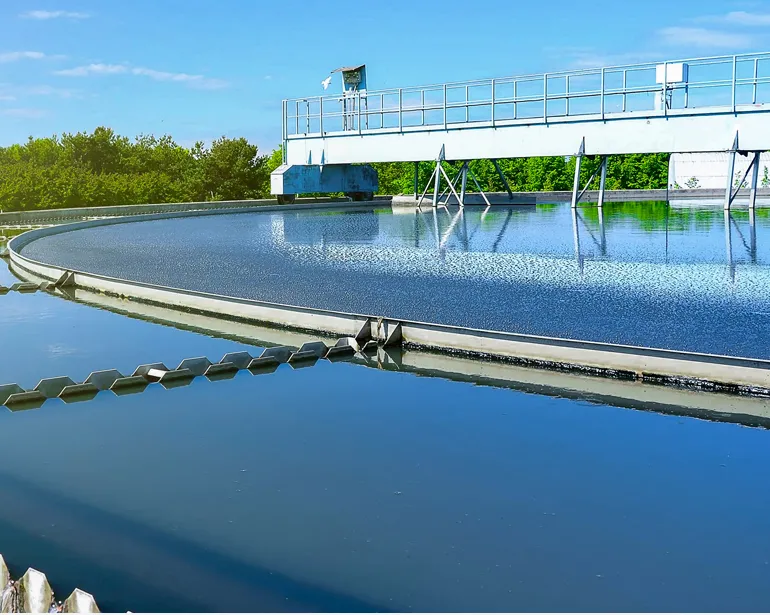
Automatic screen filters are also widely used as pre-filtration equipment in water treatment facilities.
Typical applications include:
In these systems, filtration stability and automated cleaning are critical for uninterrupted operation.
Engineers can review suitable configurations through the automatic screen filter solutions.
Modern automatic screen filters include advanced control systems such as:
These features significantly reduce manual maintenance requirements.
Advanced screen designs allow filtration systems to achieve:
This makes automatic screen filters ideal for continuous industrial operation.
Automatic screen filtration systems are highly flexible.
They can be configured as:
Such flexibility allows the same technology to serve both small irrigation systems and large industrial water facilities.
Once the calculator provides the recommended specifications, engineers can compare them with available equipment models.
The product page provides key technical information including:
These parameters allow system designers to quickly identify the appropriate filtration equipment for their project.
While selection calculators are useful tools, collaboration with experienced filtration manufacturers offers additional advantages.
Professional suppliers can provide:
For large-scale irrigation systems or industrial filtration stations, expert technical support can greatly improve project reliability and performance.
A screen filter selection calculator provides engineers with a scientific approach to filtration design.
By analyzing parameters such as:
Engineers can determine the correct filtration configuration quickly and accurately.
When paired with reliable automatic screen filter technology, this approach improves operational stability, reduces maintenance costs, and enhances overall system efficiency.
If you are currently designing or upgrading a filtration system for:
Our engineering team can help.
Explore the full product catalog here: Automatic-screen-filter
A screen filter selection calculator is a digital engineering tool used to determine the correct automatic screen filter model based on flow rate, filtration precision, pressure, and water quality parameters.
Proper filter sizing ensures adequate filtration capacity, prevents excessive pressure drop, and reduces maintenance frequency in irrigation or industrial water systems.
Most drip irrigation systems require filtration accuracy between 120 and 130 microns to protect emitters from clogging.
Parallel filter configurations are recommended when system flow rates exceed the capacity of a single automatic screen filter unit.
Yes. Automatic screen filters use differential pressure monitoring or timer controls to initiate automatic backwash cycles, removing trapped particles without manual intervention.



 EN
EN
 FR
FR
 NL
NL
 RU
RU
 AR
AR
 VI
VI
 LO
LO
 RO
RO
 TH
TH
 MY
MY
 MS
MS
 PT
PT
 ES
ES
 KO
KO
 BE
BE
 JA
JA
 FIL
FIL
 KA
KA
 DE
DE
 IT
IT

