In many water treatment and filtration projects, system performance is usually evaluated by flow rate, filtration accuracy, pressure loss, and backwash efficiency. However, for users operating in cold regions, there is another critical factor that should never be ignored: freeze protection.
Filtration systems encounter significant operational hazards at temperatures that drop below freezing. Frozen water exists inside the filter body, valves, drain connections, and pipeline sections because it freezes there during the night. The results of this situation will result in cracked housings, blocked filtration components, failed backwash cycles, unstable pressure, and expensive operational downtime. Wintertime conditions create unexpected risks that disrupt the normal functioning of irrigation systems, industrial water treatment lines, and outdoor process water systems.
The new anti-freezing technology, which protects overseas buyers from freezing temperatures, has become a major point of interest for them. Modern harsh environments require winter-ready filtration systems as essential tools because they help protect equipment, decrease maintenance needs, and maintain continuous water supply.
At CDFS Filter, we understand the real operating challenges faced by global customers. Based on years of experience in water treatment filtration equipment export, we know that cold-weather reliability is becoming increasingly important in agricultural, industrial, and municipal projects. In this article, we will explain why filtration systems often fail in winter, what new anti-freezing technology means for modern filtration design, and how our 4 inch 3pcs automatic backwash disc filter can help support reliable performance in cold-weather applications.

Cold weather affects more than just water temperature. The cold weather conditions impact the operational reliability and hydraulic effectiveness of outdoor and semi-protected filtration systems.
The filter housing and all attached pipework experience water freezing as one of the most typical problems that occur during winter. The freezing process causes even tiny remaining water from filtration and backwash to freeze, which creates pressure on housing, sealing elements, valves, and internal parts. The process leads to equipment damage through crack formation and leak development, which results in permanent equipment failure.
The system experiences another problem because backwash performance has decreased. The automatic filtration systems need specific hydraulic forces to perform their filter element cleaning operations. Ice blockage on drain ports, backwash valves, and discharge lines results in incomplete cleaning cycles that lead to system failures. The filtration system loses effectiveness because pressure increases and the system demands manual operation during critical situations.
These problems are especially common in applications such as:
For users in these industries, winter filtration failure is not only a maintenance issue — it can interrupt operations, increase labor cost, and shorten equipment life.
Many conventional filtration systems are designed primarily for standard operating temperatures. Under normal conditions, they may perform well. But in freezing environments, a standard design often shows clear limitations.
First, traditional units may not be optimized for complete drainage. Residual water can remain trapped inside the filter chamber, bends, lower cavities, or connection points after operation. In cold weather, these trapped areas become high-risk freezing zones.
Second, many standard systems do not provide sufficient attention to cold-resistant materials and sealing stability. Rubber parts, seals, and valve components may become less flexible at low temperatures, increasing the risk of leakage or reduced response during automatic backwash cycles.
Third, manual cleaning becomes more difficult in winter. If a system requires frequent disassembly or onsite intervention, operators face extra downtime, higher labor cost, and greater operational inconvenience, especially for outdoor or remote installations.
This is why modern buyers are increasingly looking for filtration systems designed not only for normal filtration performance, but also for winter reliability, easier drainage, stable automatic cleaning, and lower freeze-related risk.
When we talk about new anti-freezing technology for screen or disc filtration systems, we are not referring to a single feature. Instead, it is a combination of design improvements that help reduce freeze damage and improve winter operation.
A better internal flow path helps minimize the amount of water left inside the filter body after operation or backwash. This reduces the chance of ice formation in key areas.
Efficient drainage design is essential in cold climates. A well-designed filtration system should allow residual water to be discharged more effectively, especially from low points and backwash sections.
Seals, housings, connectors, and valves should be selected for durability in low-temperature conditions. Material reliability is especially important for outdoor filtration equipment.
Automatic backwash is particularly valuable in winter because it reduces the need for manual disassembly and cleaning. Less manual intervention means fewer shutdowns and lower risk of cold-weather maintenance delays.
In very cold regions, some projects may use insulation covers, trace heating, or enclosure protection. A practical filtration design should be compatible with these winter protection strategies.
In short, new anti-freezing technology means a smarter filtration design that helps users achieve:
Compared with systems that require frequent manual cleaning, automatic backwash disc filters offer clear advantages in cold-weather use.
Disc filtration technology provides efficient removal of suspended solids while maintaining compact system design. When equipped with automatic backwash, the filter can clean itself without interrupting normal operation for extended periods. This is especially useful in winter, when manual service is less convenient and more costly.
For cold-weather filtration projects, the benefits are significant:
In many overseas projects, users need equipment that can operate efficiently while reducing operator dependence. This is one reason why automatic backwash disc filters are increasingly preferred for demanding environments.
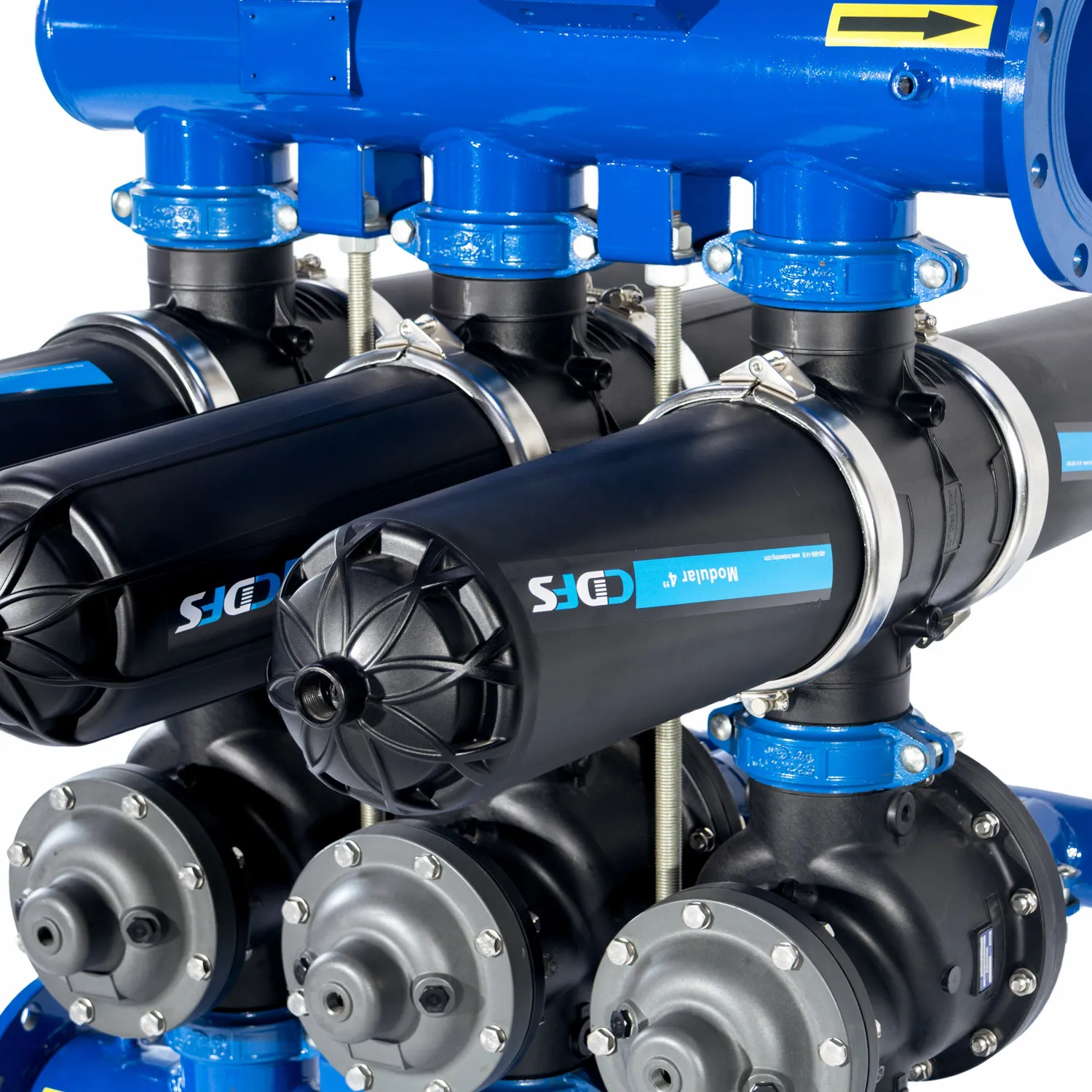
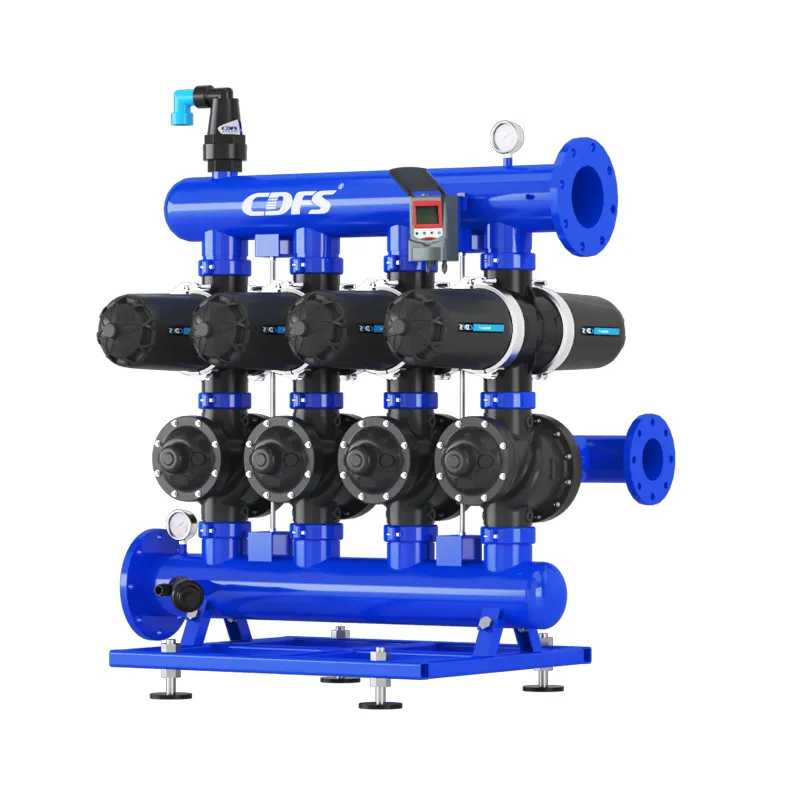
For customers looking for a reliable filtration solution for winter-sensitive applications, our 4 inch 3pcs automatic backwash disc filter is a practical option worth considering.
This model is designed for efficient filtration in applications that require stable performance, automatic cleaning, and reduced maintenance. With a multi-unit configuration and automatic backwash function, it is suitable for medium to large flow demands in a wide range of water treatment systems.
Key advantages include:
For customers in cold regions, this type of filter can be integrated into a winter-ready solution with proper system layout, drainage planning, and optional protective measures. As an experienced water filtration equipment exporter, we can also support buyers with product selection and application matching based on specific operating conditions.
You can learn more about the product here: 4 inch 3pcs automatic backwash disc filter
If you are designing or upgrading a filtration system for cold-weather use, selecting the right automatic filter is an important step toward protecting long-term system reliability.
A filtration system with anti-freezing design value is especially useful in the following sectors:
In many countries, irrigation systems are installed outdoors and exposed to seasonal temperature fluctuations. Freeze-related damage can affect startup in spring and increase maintenance cost. A winter-ready automatic disc filter helps protect irrigation performance and reduce downtime.
Factories using circulating water, process water, or pretreatment systems often require uninterrupted filtration. In winter, equipment failure can influence production efficiency. Reliable automatic backwash filtration helps maintain stable operation.
Outdoor water treatment systems in municipal or public utility projects must maintain dependable performance under changing weather conditions. Freeze resistance becomes a key consideration in equipment selection.
Remote projects need equipment with low maintenance requirements and strong operational stability. Automatic filtration with better winter adaptability is highly valuable where onsite service is limited.
When selecting a filtration system for cold-weather use, buyers should consider more than filtration rating and flow capacity. The following points are equally important:
A qualified supplier should not only provide a filter, but also help evaluate the project condition, water source, flow requirement, and winter protection strategy.
Different markets face different environmental challenges. Some regions deal with short-term frost, while others experience long periods of sub-zero temperatures. In addition, water quality, installation space, project standards, and maintenance conditions vary widely.
This is why many overseas customers are no longer looking for only a standard filter product. They want a customized filtration solution that matches actual site conditions.
At CDFS Filter, we understand that export customers often need:
For cold-weather projects, choosing a supplier with practical export experience and solution capability can make a major difference.
Winter can expose weaknesses that are easily overlooked in standard filtration design. Freezing temperatures may lead to blocked components, failed backwash cycles, equipment damage, and unplanned downtime. For irrigation, industrial, municipal, and remote-site applications, these risks can directly affect operating cost and system reliability.
That is why new anti-freezing technology for filtration systems is becoming increasingly important. A well-designed automatic backwash filtration solution helps reduce residual water, improve winter performance, minimize manual maintenance, and protect long-term equipment value.
If you are looking for a dependable solution for cold-weather water filtration, our 4 inch 3pcs automatic backwash disc filter can be a strong option for your project.
Contact us today to get product details, technical recommendations, and a customized filtration solution for your application.
Simply send us your water source, flow rate, filtration requirement, and operating environment, and our team will help you find the right configuration.
Water filtration systems often fail in winter because residual water inside the housing, valves, or pipelines can freeze and expand. This may cause cracks, blockages, sealing problems, unstable pressure, and failed backwash cycles.
Anti-freezing technology refers to design improvements that help reduce freezing risk, such as optimized drainage, lower water retention, cold-resistant materials, stable automatic backwash, and easier integration with insulation or heating protection.
Yes. An automatic backwash disc filter is a good choice for cold climates because it reduces manual cleaning, supports continuous operation, and helps maintain stable filtration performance in challenging outdoor conditions.
Winter-ready filtration solutions are widely used in agricultural irrigation, industrial water treatment, municipal water systems, cooling water filtration, groundwater treatment, and mining or remote-site projects.
You should evaluate operating temperature, flow rate, water quality, filtration precision, drainage design, material durability, automatic backwash performance, and supplier customization capability. It is best to work with a supplier who can recommend a suitable solution based on your project details.



 EN
EN
 FR
FR
 NL
NL
 RU
RU
 AR
AR
 VI
VI
 LO
LO
 RO
RO
 TH
TH
 MY
MY
 MS
MS
 PT
PT
 ES
ES
 KO
KO
 BE
BE
 JA
JA
 FIL
FIL
 KA
KA
 DE
DE
 IT
IT

