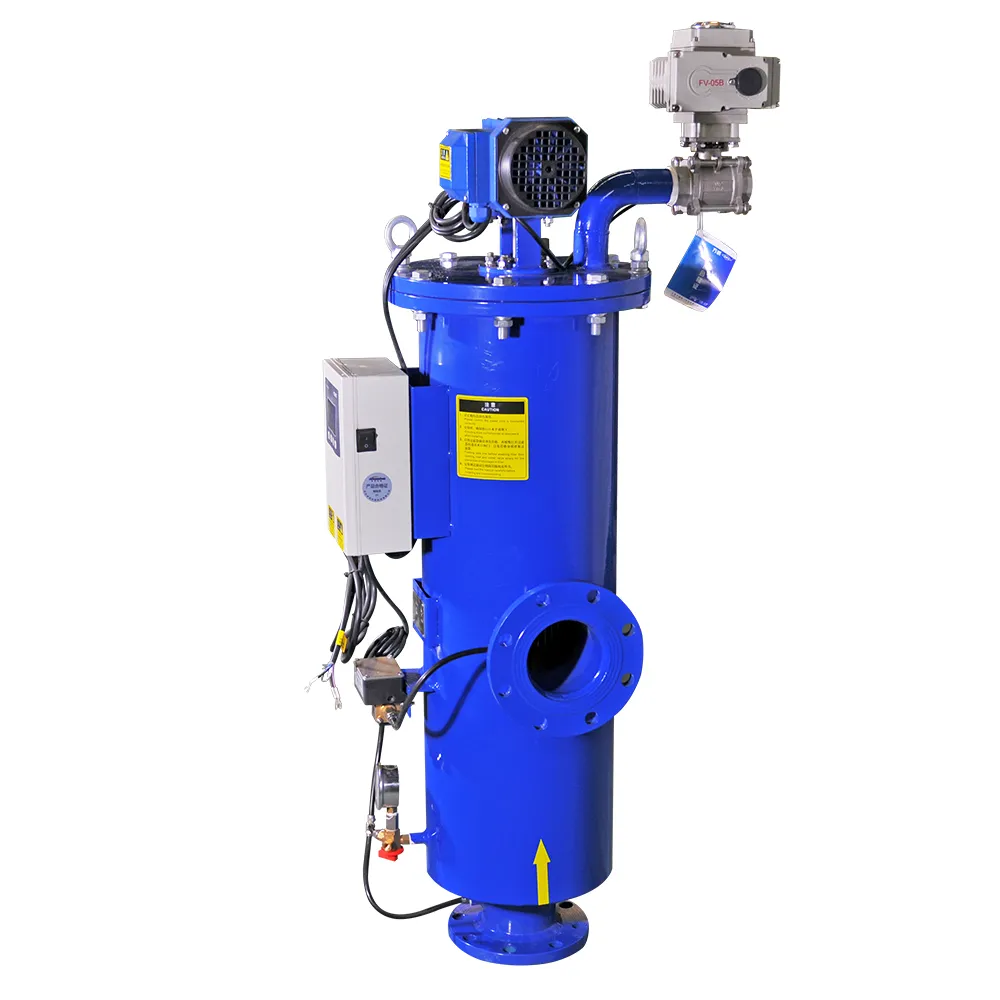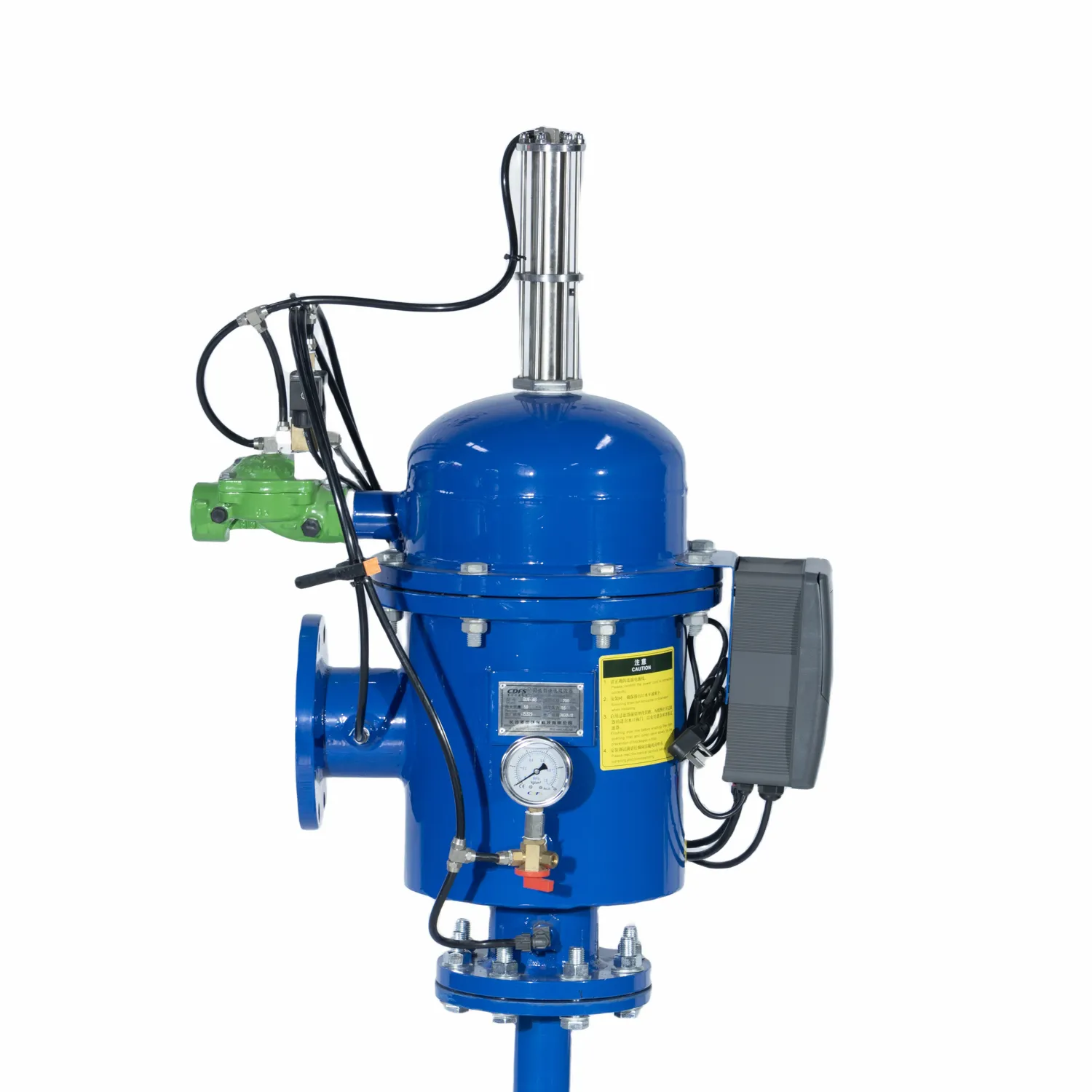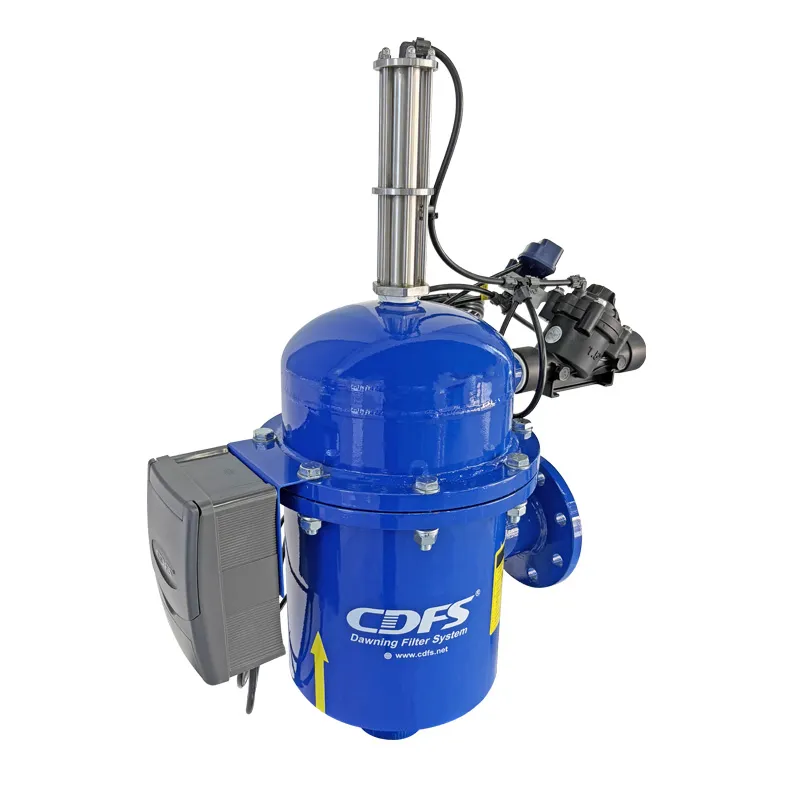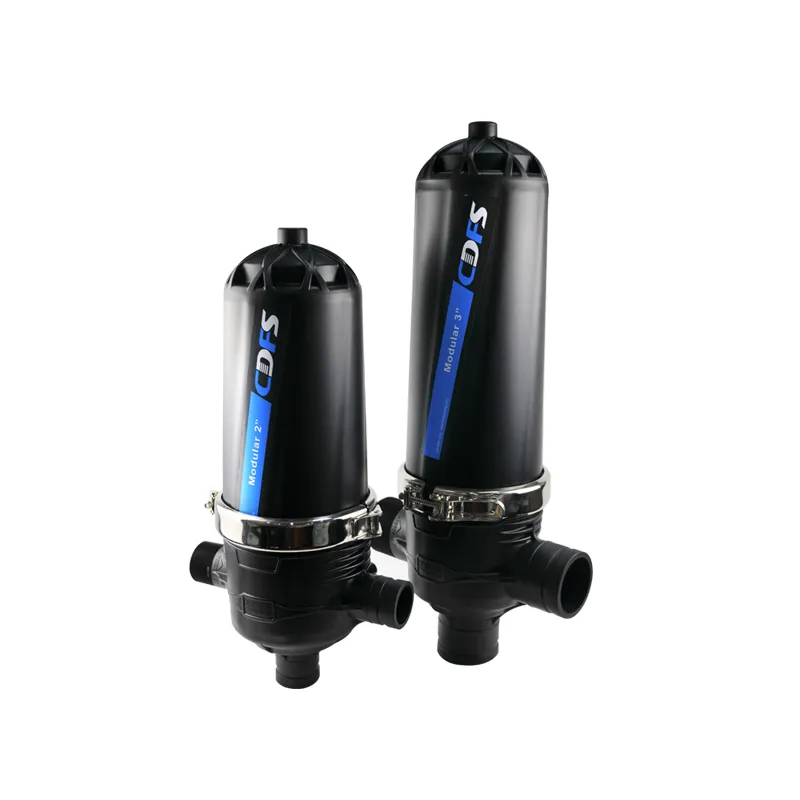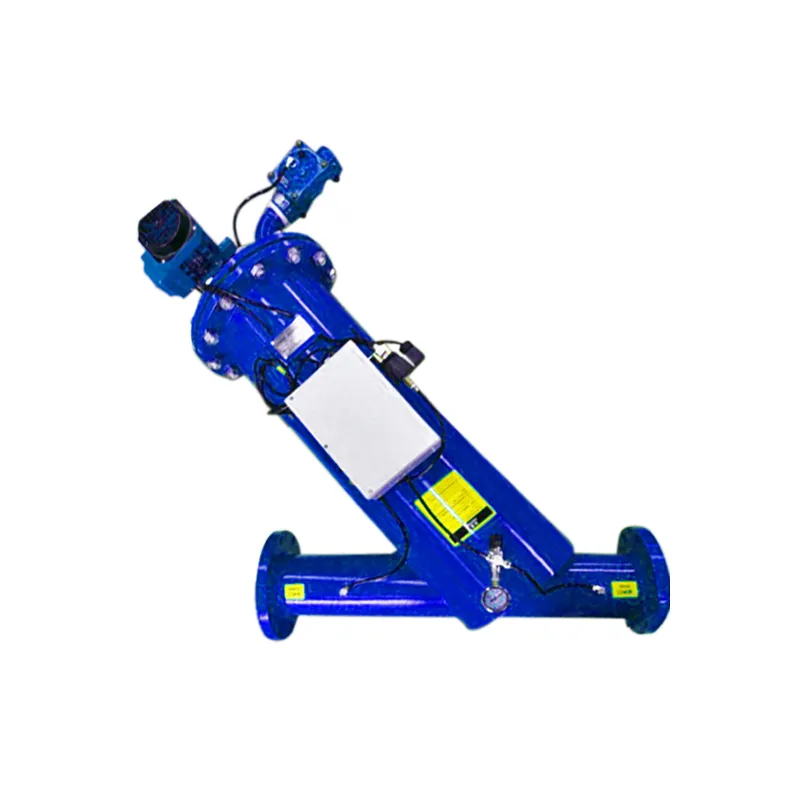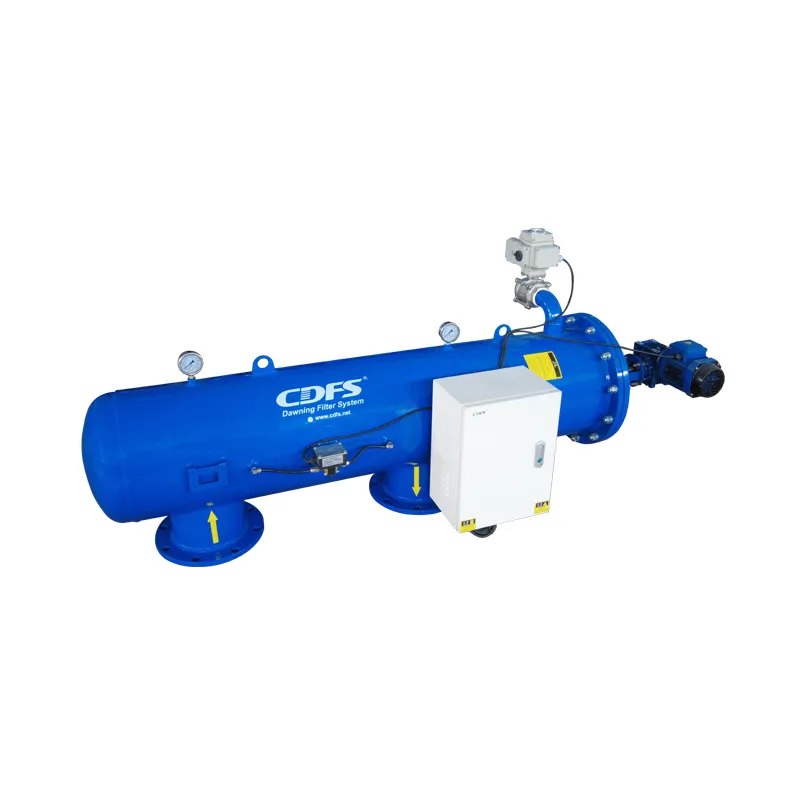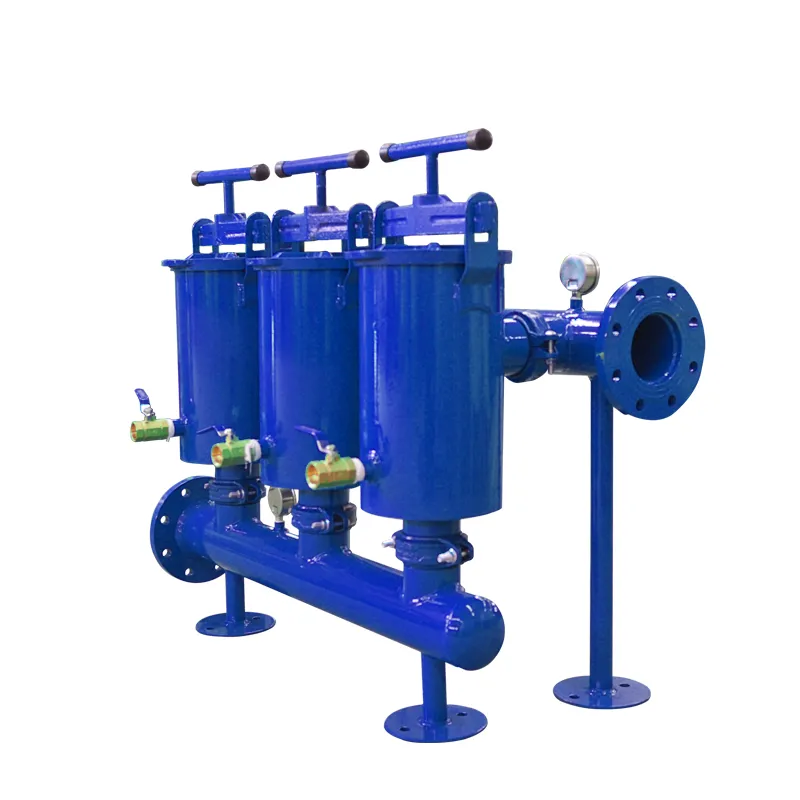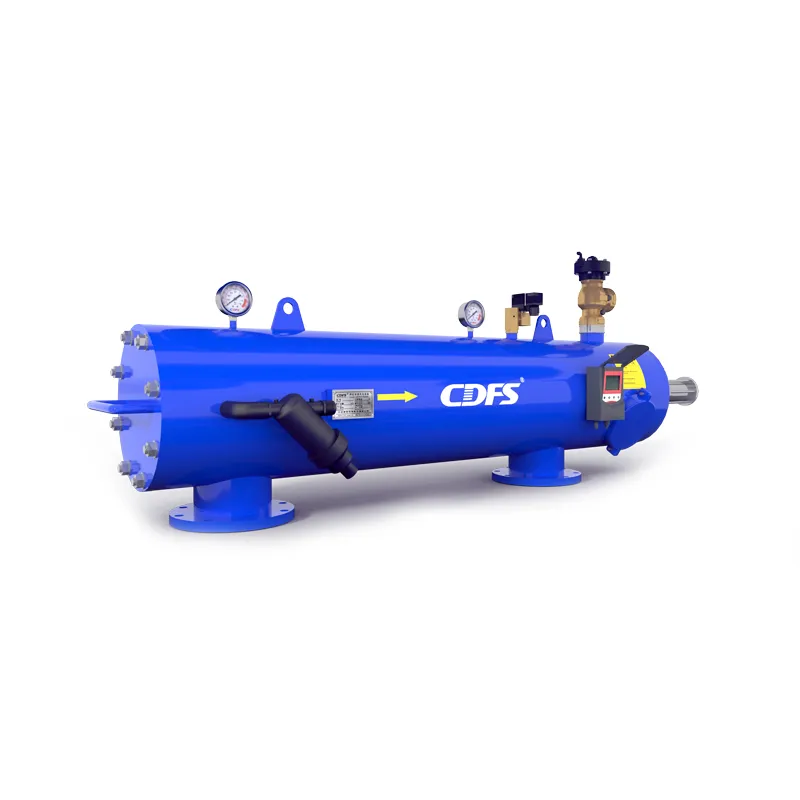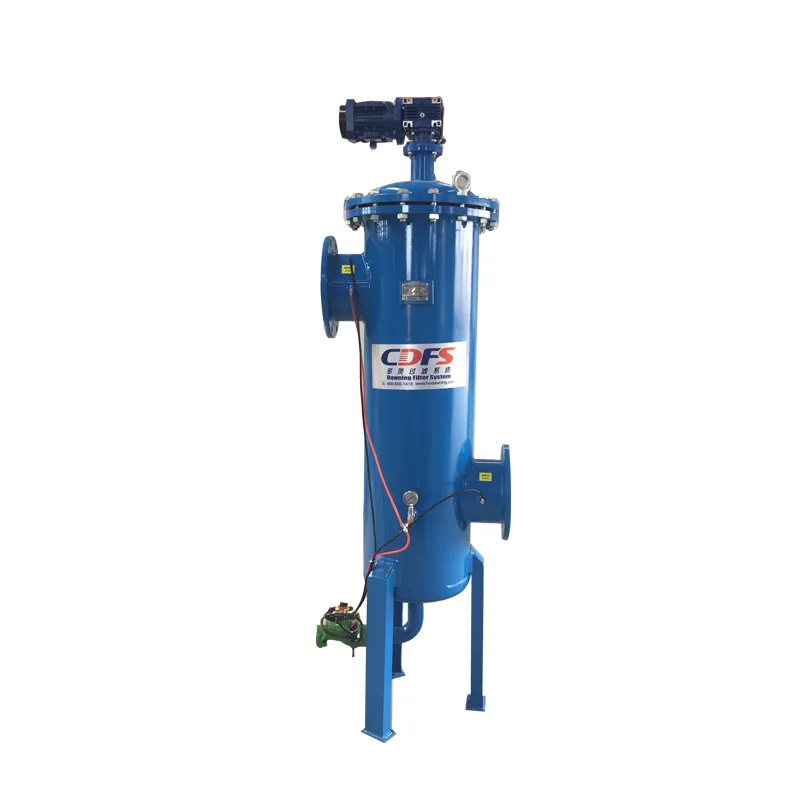
Integration with smart irrigation systems makes electric irrigation controller even more effective. When paired with sensors and automation controls, they allow for real-time monitoring and adaptive cleaning cycles. This results in enhanced efficiency, reduced manual effort, and more consistent water quality throughout all phases of irrigation.
The modular design of electric irrigation controller allows for easy installation and integration into existing irrigation networks with minimal disruption. Standardized connections and user-friendly maintenance access make it simple for operators to inspect, clean, or replace filter elements, ensuring the irrigation system remains operational during critical crop growth stages without extended downtime.
Q: How is a irrigation filter installed in an irrigation system? A: A irrigation filter is typically installed at the water source or before the main distribution lines in an irrigation system. It connects to the pipeline using standard fittings and should be placed where access for maintenance and backwashing is convenient. Q: What materials are used in the construction of a irrigation filter? A: Most irrigation filters are made from corrosion-resistant materials such as stainless steel, reinforced plastic, or coated carbon steel to ensure durability in outdoor and agricultural environments with variable water qualities. Q: How do you determine the right size of a irrigation filter for your system? A: The appropriate size of a irrigation filter depends on the water flow rate, type of irrigation system, and quality of source water. Consulting with an irrigation specialist or manufacturer is essential for optimal sizing and performance. Q: What is the difference between manual and automatic irrigation filters? A: Manual irrigation filters require periodic cleaning by hand, while automatic versions have self-cleaning mechanisms—such as backflushing—that operate based on pressure differences or timers, reducing labor and downtime. Q: Can a irrigation filter be used with both surface water and groundwater? A: Yes, a irrigation filter is suitable for both surface and groundwater sources, though the level of filtration and frequency of maintenance may vary depending on the sediment and debris levels in the water source.
Our water quality has improved thanks to this media filter. It removes fine particles and adsorbs contaminants, preventing scaling and protecting pipes.
The multi-grade filtration is impressive. It effectively protects our irrigation pumps and improves water absorption by the plants.
To protect the privacy of our buyers, only public service email domains like Gmail, Yahoo, and MSN will be displayed. Additionally, only a limited portion of the inquiry content will be shown.
Looking for an automatic disc filter that can handle irrigation water with sediment up to 200 micron...
Please send price and datasheet for your automatic screen filter, 50–100 m³/h range, mesh <150 mi...



 EN
EN
 FR
FR
 NL
NL
 RU
RU
 AR
AR
 VI
VI
 LO
LO
 RO
RO
 TH
TH
 MY
MY
 MS
MS
 PT
PT
 ES
ES
 KO
KO
 BE
BE
 JA
JA
 FIL
FIL
 KA
KA
 DE
DE
 IT
IT