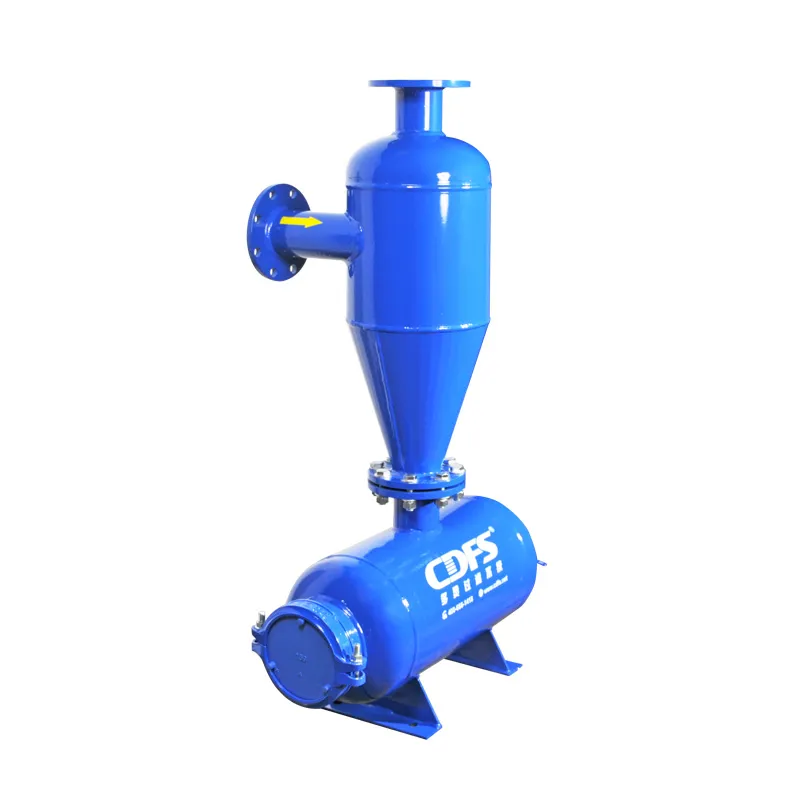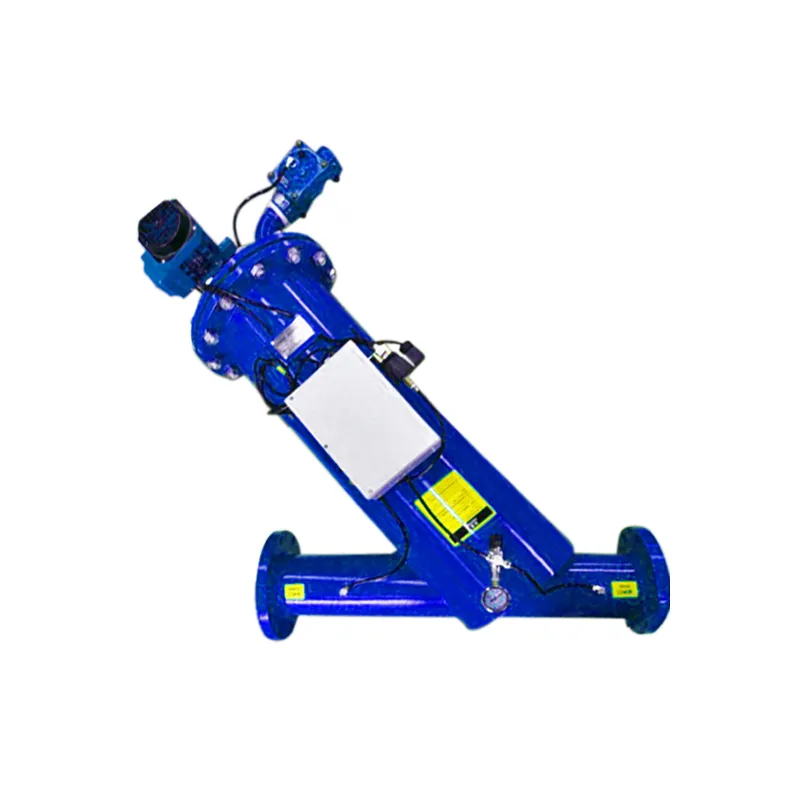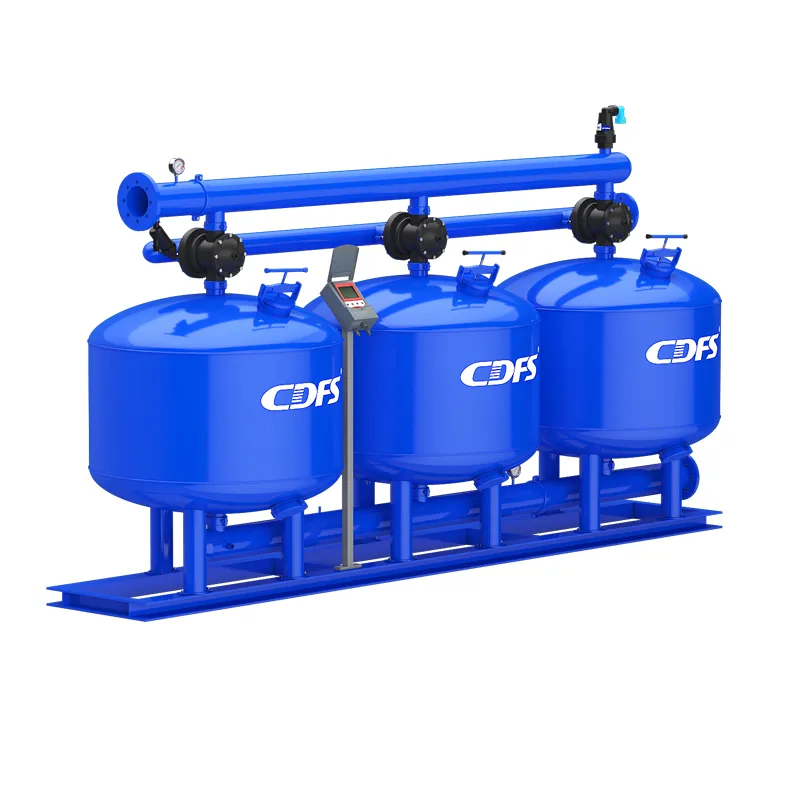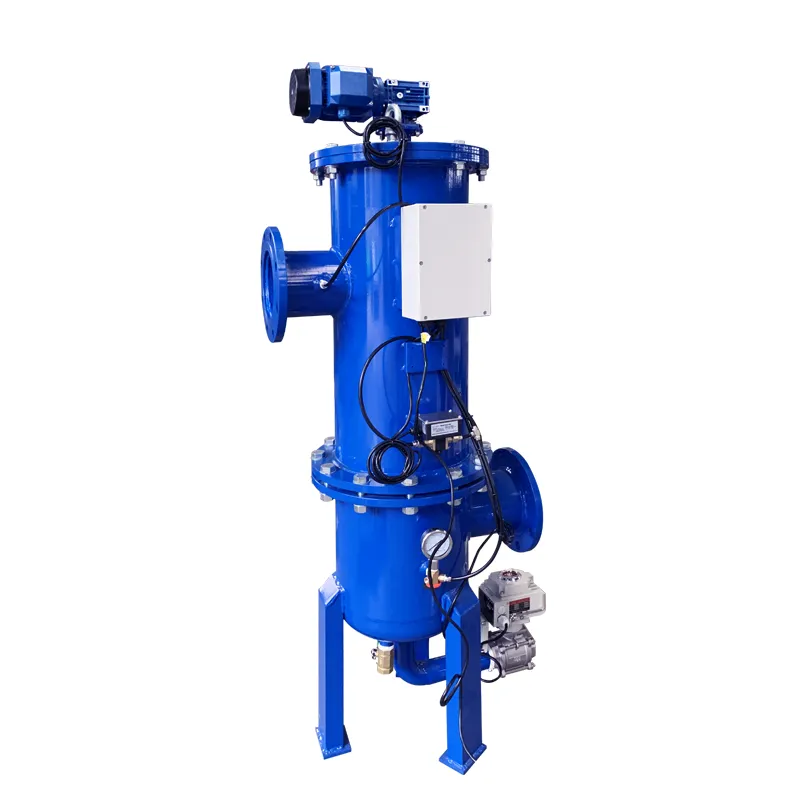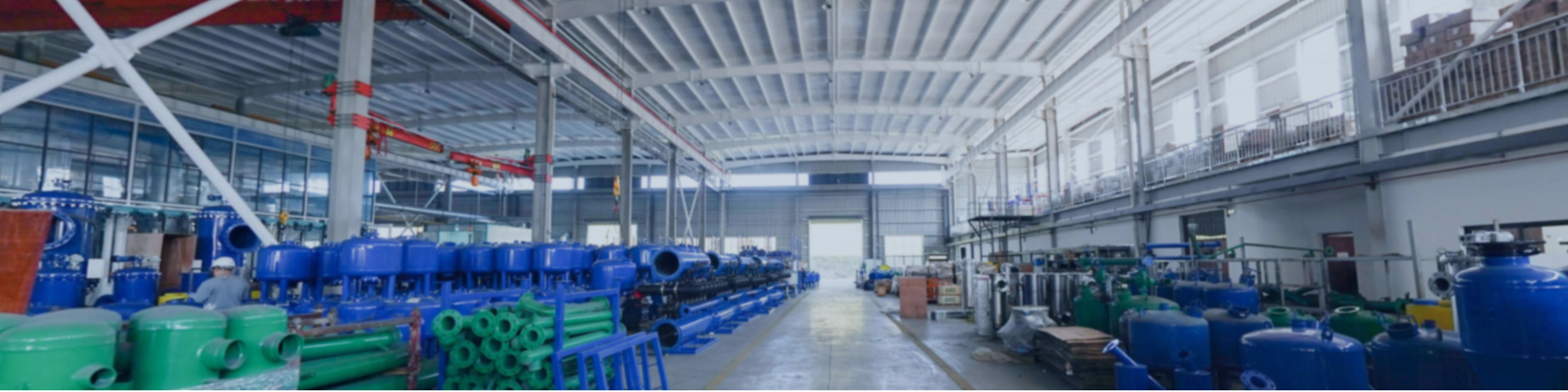
auto irrigation cleaner support the use of recycled or low-quality water sources by filtering out contaminants that could otherwise damage irrigation infrastructure. This promotes environmentally responsible farming by expanding water sourcing options and reducing dependence on freshwater supplies. Farmers can thus operate more sustainably without compromising irrigation quality.
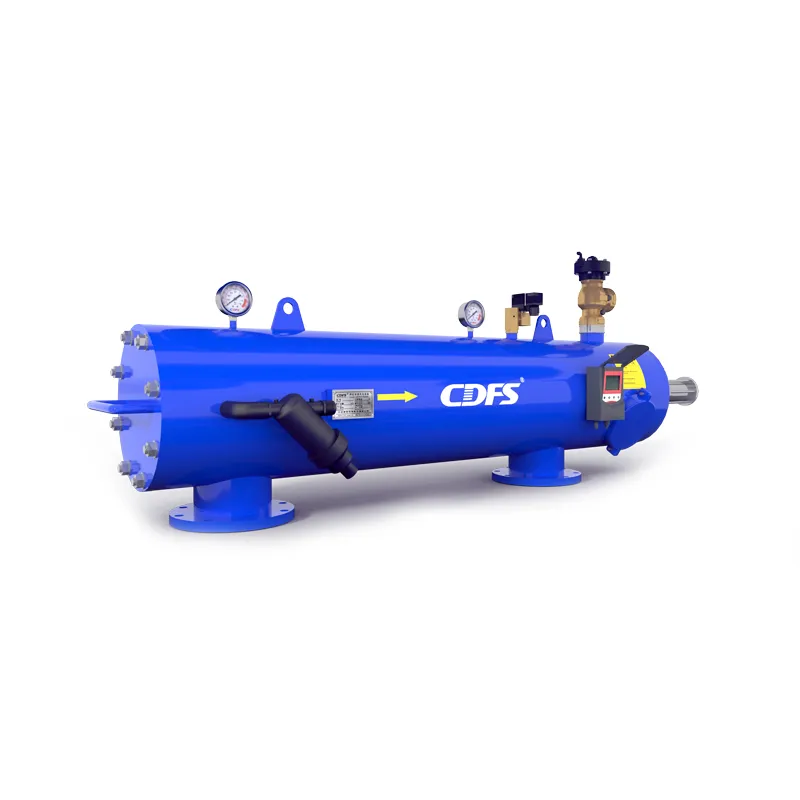
Advanced auto irrigation cleaner models incorporate sensors that monitor pressure and flow rates in real time, providing early warnings of clogging or system inefficiencies. These intelligent features enable proactive maintenance, preventing irrigation failures and ensuring consistent water delivery to crops, ultimately contributing to improved farm productivity and resource management.
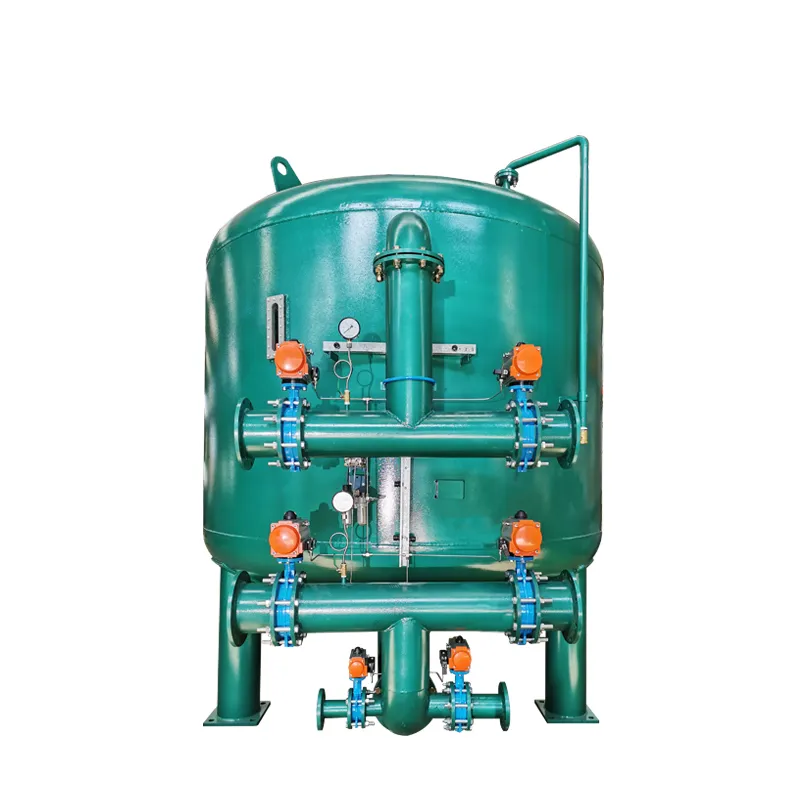
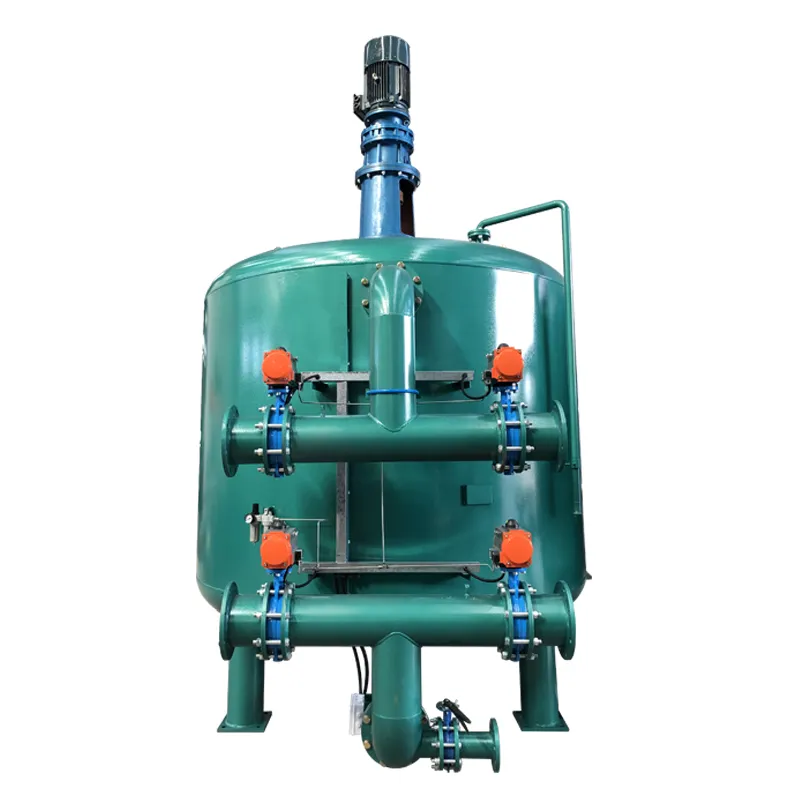
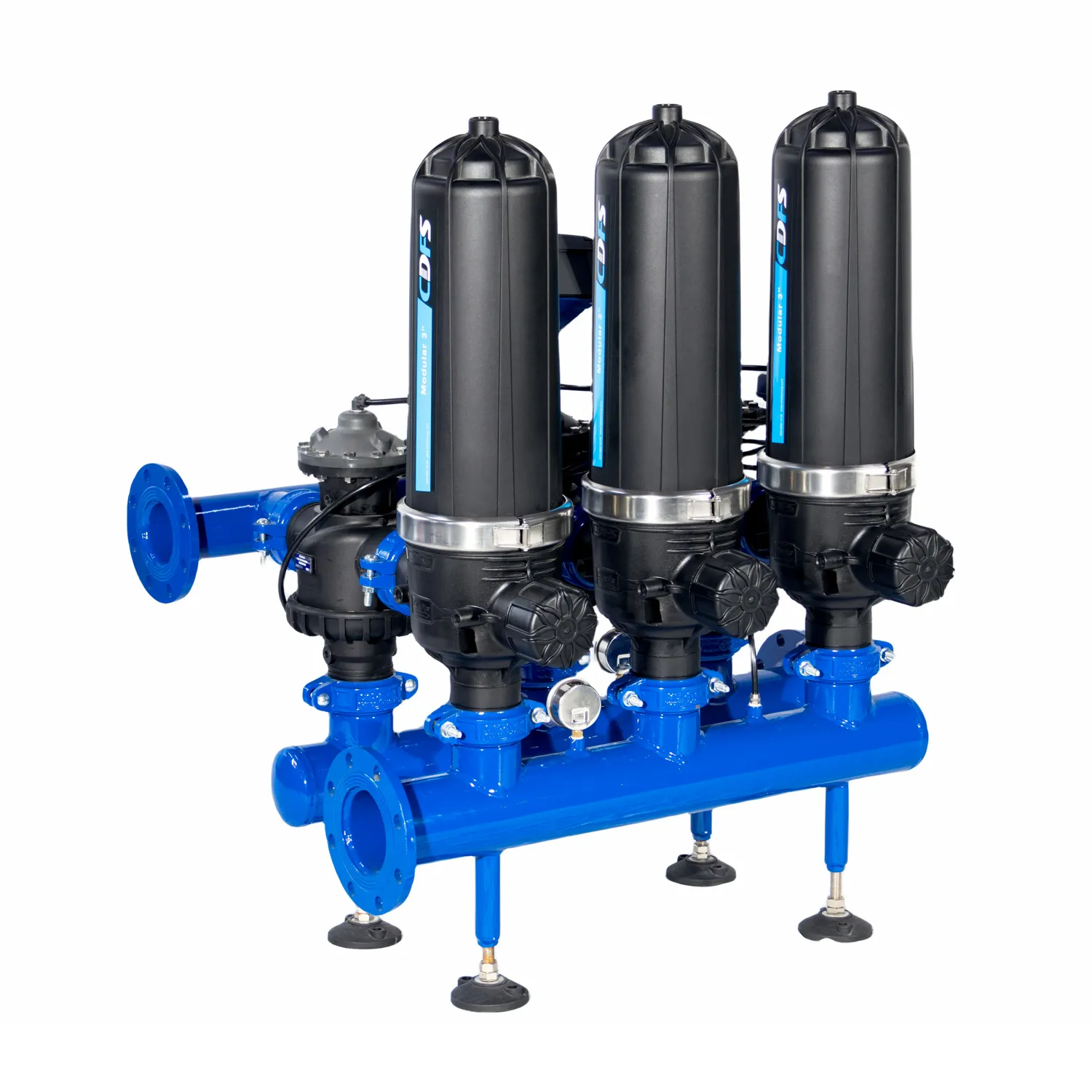
Q: What is the primary function of a irrigation filter? A: The main role of a irrigation filter is to remove dirt, sand, algae, and other debris from irrigation water to protect drip lines, sprinklers, and emitters from clogging. This ensures efficient water delivery and prevents damage to the irrigation system. Q: What types of irrigation filters are commonly used in agriculture? A: Common types of irrigation filters include screen filters, disc filters, and media filters. Each type is suited to different water qualities and irrigation systems. For example, disc filters are ideal for moderate debris loads, while media filters work well with heavy contamination. Q: Can a irrigation filter handle water from ponds or canals? A: Yes, a irrigation filter is specifically designed to treat water from surface sources like ponds, rivers, and canals. However, the filter type and capacity must match the debris level to avoid frequent clogging or system inefficiency. Q: How do you choose the right irrigation filter for your system? A: Choosing the right irrigation filter depends on water source, flow rate, pressure requirements, and the type of irrigation used. Analyzing water quality and consulting product specifications are essential to ensure proper filtration performance. Q: Does a irrigation filter require regular maintenance? A: Yes, all irrigation filters need routine maintenance such as flushing, cleaning, and periodic inspections. This prevents clogging, maintains water flow, and extends the life of both the filter and the entire irrigation system.
The stacked discs provide very precise filtration, which has noticeably improved our water quality. Our irrigation system runs smoother and equipment lasts longer.
The filter’s performance is very stable under different water qualities. It is simple to install and maintain. Definitely a great choice for industrial water treatment.
To protect the privacy of our buyers, only public service email domains like Gmail, Yahoo, and MSN will be displayed. Additionally, only a limited portion of the inquiry content will be shown.
Looking for an irrigation filter that can handle high sand content without clogging. What’s the re...
Need fast shipping on 2 units of your automatic screen filter for a trial. What’s your lead time?



 EN
EN
 FR
FR
 NL
NL
 RU
RU
 AR
AR
 VI
VI
 LO
LO
 RO
RO
 TH
TH
 MY
MY
 MS
MS
 PT
PT
 ES
ES
 KO
KO
 BE
BE
 JA
JA
 FIL
FIL
 KA
KA
 DE
DE
 IT
IT